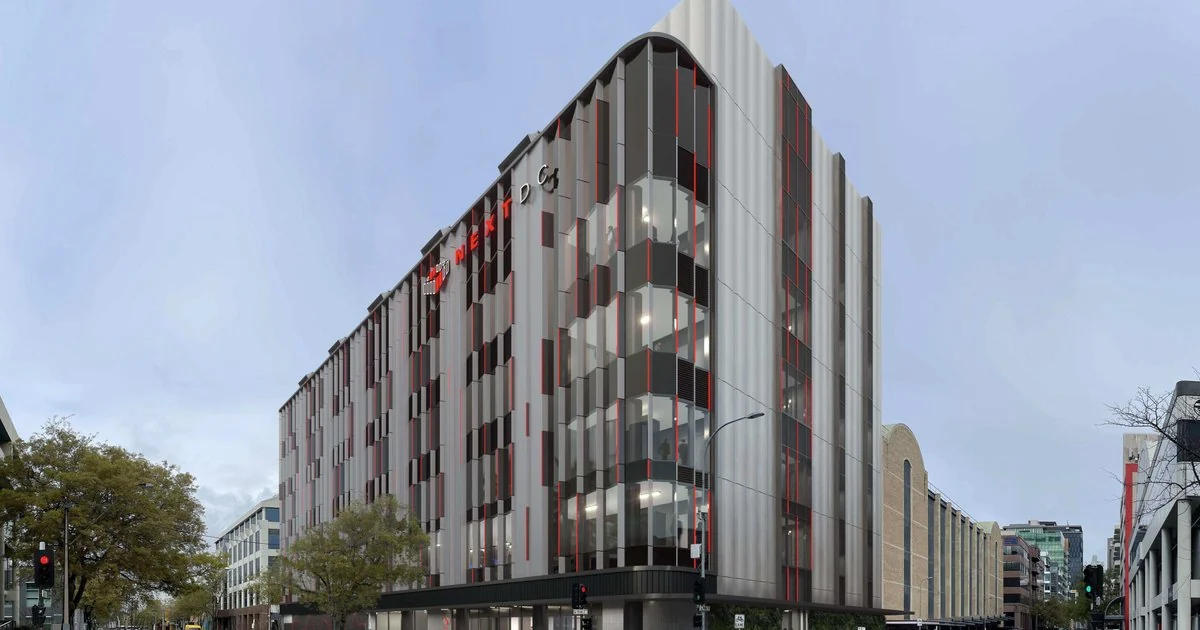
If your server is still in a back room at the office, it may have been enough at first. But as the business grows, that room gets cramped, the air conditioner struggles, and the power sometimes has problems. That is when many people start considering colocation.
Signs That Your Own Server Room Is No Longer Enough
The power trips often or the generator is not well maintained. The server room temperature rises in the afternoon. There is no one watching 24 hours. Or you worry about flood or fire in the building. All of these are signals that the risk is becoming bigger than the convenience of having the server nearby.
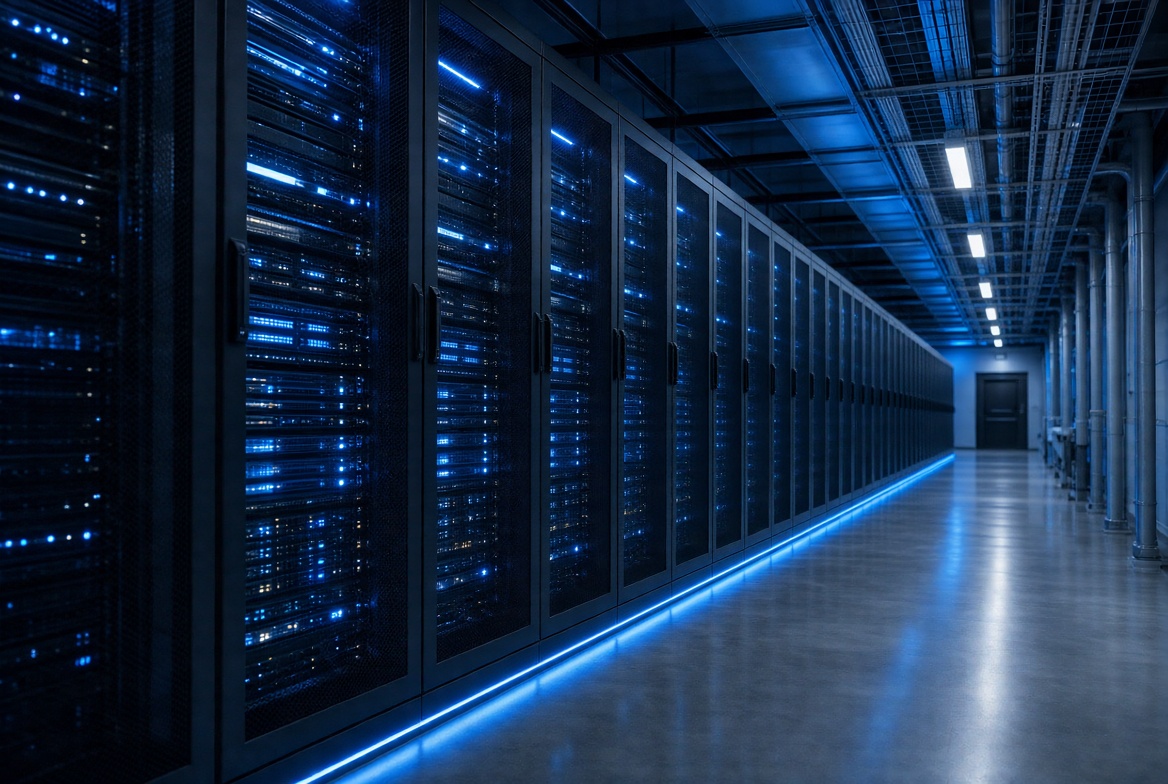
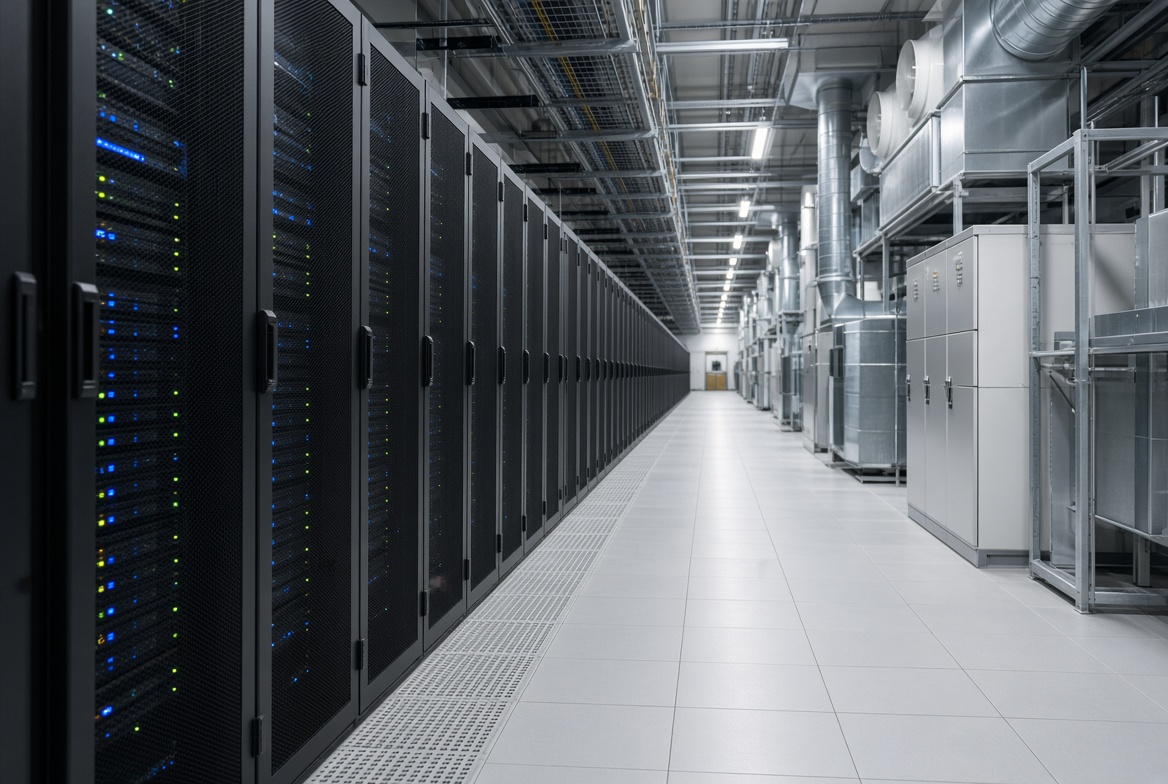
Colocation moves the server to a facility that is designed for it. Backup power, cooling, physical security, and connectivity are already prepared. You still control the server, but you do not have to manage the supporting infrastructure yourself.
What Changes After the Move
The internal team can focus on applications and data, not on air conditioners or generators. Physical access can still be controlled, and many facilities provide remote hands if you need help on site. Internet connections in a data center are usually more stable and have more options.
If you need stable infrastructure for the business, colocation and connectivity services at Platinum can be a practical choice. Many companies end up feeling calmer once the server is in a place that is actually prepared for it.
Things to Consider
Calculate the total cost. Besides the rack or space rental, there are connectivity costs and possible remote hands fees. Make sure the facility has standards that match your needs, such as power and cooling redundancy. Also plan the migration process so downtime is as short as possible.
With good preparation, moving to colocation often makes operations smoother and risks more manageable. The server is still yours, but its location is better prepared for everyday challenges.