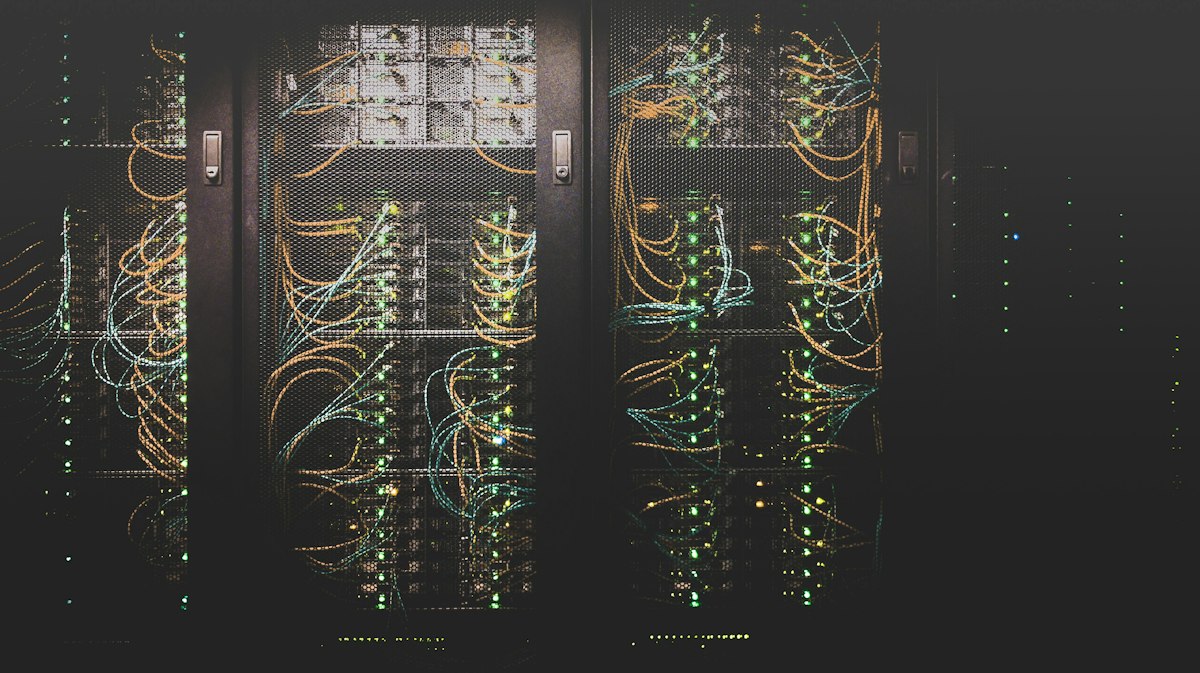
If the server is still in the office room, there is usually something that needs attention. The AC has to stay cold, the electricity must not trip, and physical access has to be watched. The IT team or even other staff sometimes have to leave their main work just to make sure the server keeps running.
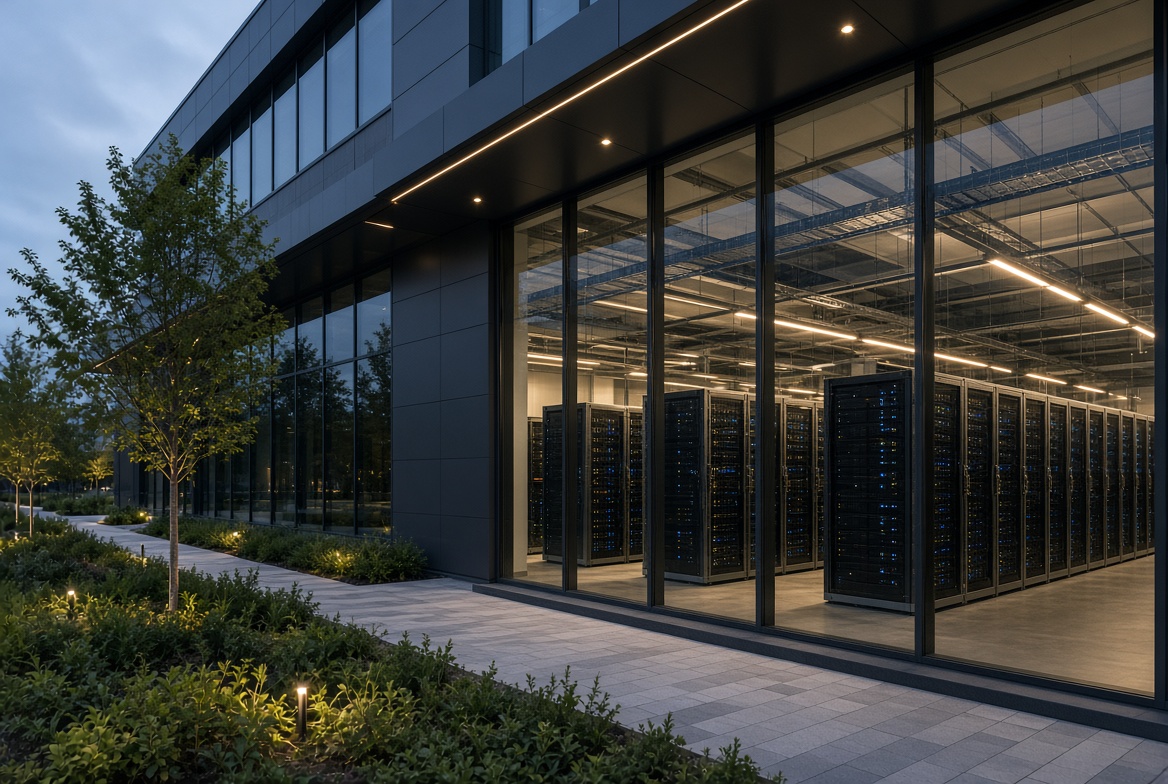
Colocation moves the server to a facility that is designed for it. Cooling, backup power, and physical security are already prepared. You still control the server, but you do not have to worry about the room and daily electricity.
What Changes After Moving
What is felt most is time. The team no longer has to check the room temperature or worry about the generator. They can focus more on the applications, data, or services used by customers.
The internet connection in the colocation facility is usually also more stable because it connects directly to a better network. Access from outside the office becomes smoother without burdening the office connection.
How to Start Calmly
You do not have to move everything at once. Many start with the most important server or the heaviest one. The rest can stay at the office for now, then be added later if it feels comfortable.
Before moving, note what is needed: power, rack space, and connection. A good facility usually helps adjust those needs.
If you need stable infrastructure for the business, colocation and connectivity services at Platinum can be a practical choice. The team helps from choosing the rack to adjusting the network, so the move does not disrupt operations.
Closing
Colocation is not about suddenly enlarging the infrastructure. It is more about moving the physical burden to a place that is already ready, so the team can return to focusing on the work that really drives the business.