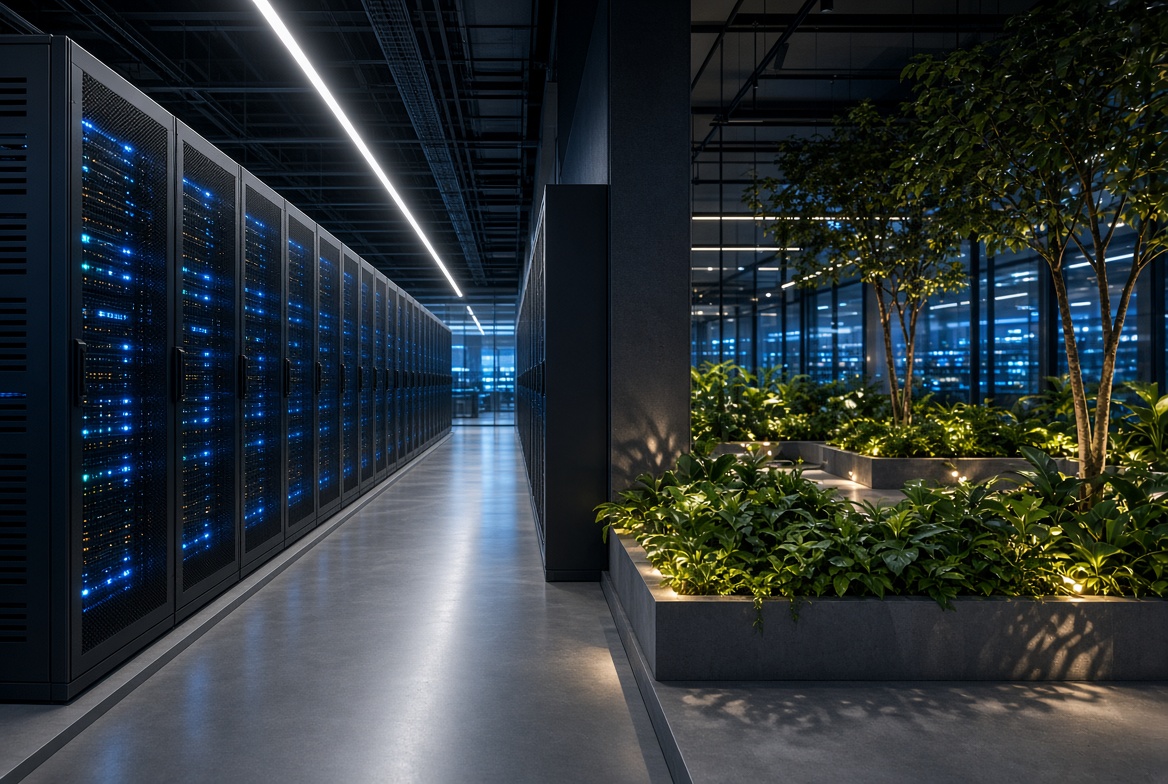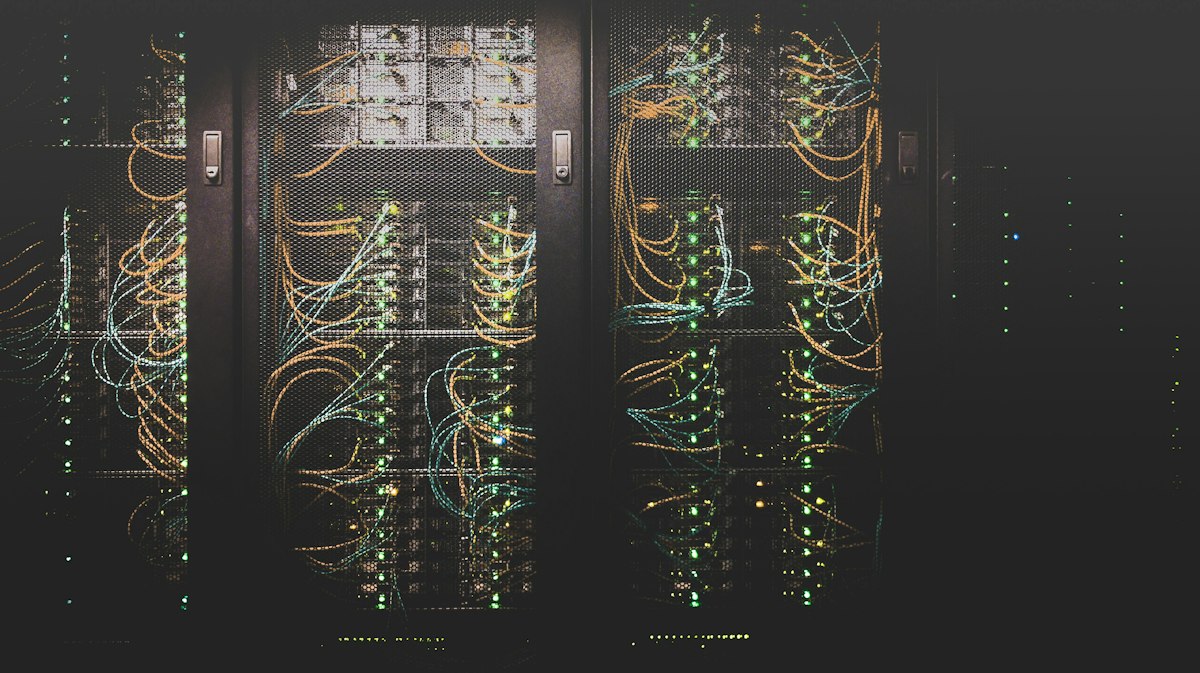

Previously the servers in the office were still enough. One or two racks, regular AC, and PLN power. Now the business is growing, servers are increasing, the heat is more noticeable, and the power often flickers. The IT team starts worrying if a long outage happens.
At this point many consider colocation. The servers remain yours, but they are placed in a data center that already has power, cooling, and security that are more ready.
Signs the Office Server Room Is Starting to Struggle
The AC can no longer keep the temperature stable. The electricity bill keeps rising. It is hard to add new racks because space or power is not enough. The backup generator in the office is rarely tested or its capacity is limited.
If these signs start to appear, the cost and risk of maintaining it yourself are often higher than moving to colocation.
What You Get in Colocation
Redundant power, cooling designed for servers, stricter physical security, and better connectivity. You still control the servers, but the supporting infrastructure is already handled.
Many companies use colocation and connectivity services at Platinum so they can focus on the core business, not the matter of keeping server temperature and power.
A Way to Start That Is Not Complicated
Calculate first how many racks are needed and how much power per rack. Visit the facility if possible, or ask for detailed explanation about uptime and access procedures. Start with some servers first, then move the rest gradually.
With the right preparation, moving to colocation makes operations calmer and gives room to grow without continuously adding burden in the office.