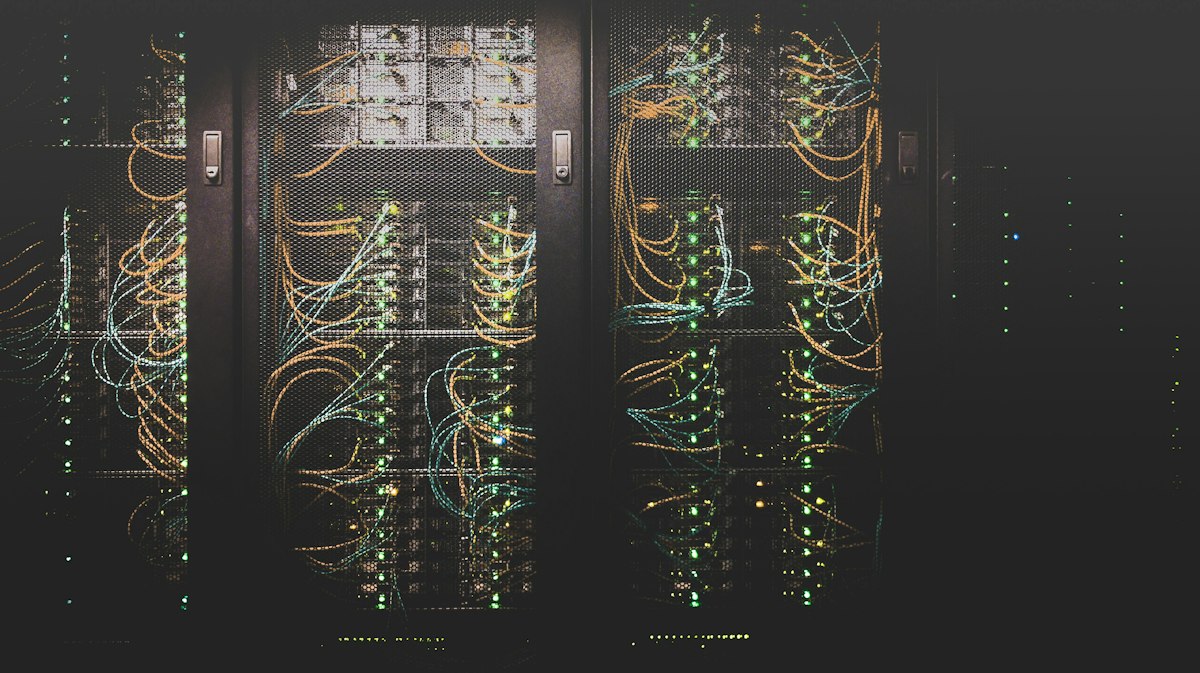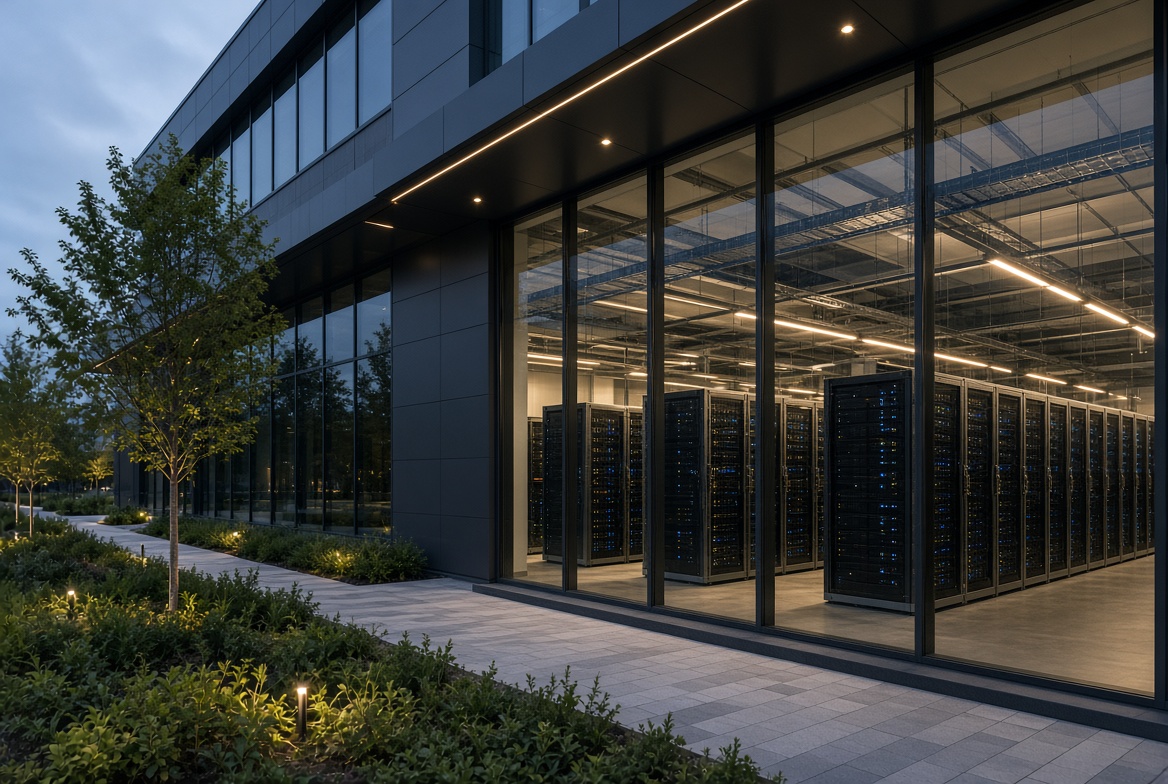
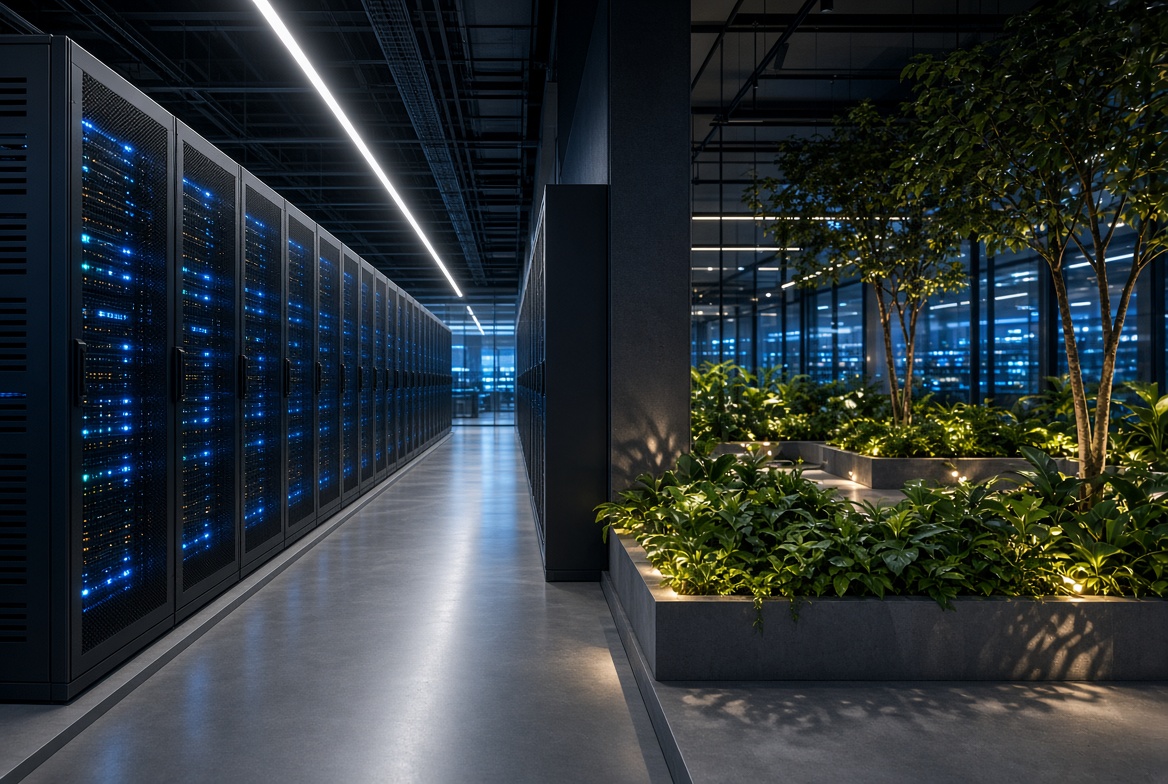
If your business already has its own servers but is starting to struggle with power, AC, and room security, colocation is usually a sensible choice. You still own the hardware, but you place it in a data center that is designed for it.
So you do not need to build a server room in the office, add a generator, or worry about the AC dying in the middle of the night. The facility takes care of that.
What is usually already provided
Colocation data centers usually already have dual power, stable cooling, physical security, and good internet connectivity. You just bring in the rack or rent one, install the servers, and connect. Many also provide remote hands, so if something needs to be restarted or a cable replaced, there is a technician on site.
When it fits the business
It fits if you need full control over the hardware (not cloud) but do not want to handle the physical infrastructure. Or if your office location is not ideal for servers because the power often goes out or space is limited. Many e-commerce and companies start with colocation before moving to hybrid or full cloud.
If you need stable infrastructure for the business, colocation and connectivity services at Platinum can be a practical choice. Many companies use Platinum’s data center and hosting services so they can focus on the core business, not server matters.
Things to consider before moving
Calculate the total cost, including rack rental, power, and bandwidth. Make sure there is a clear SLA. Also check the data center location, because the closer it is to customers or the internet exchange, the better the latency usually is. And do not forget a backup plan, because even though the data center is reliable, there is still risk.
With colocation, the IT team is usually more at ease because physical problems are handled by someone else. What remains is managing the applications and data, which is closer to the business.