
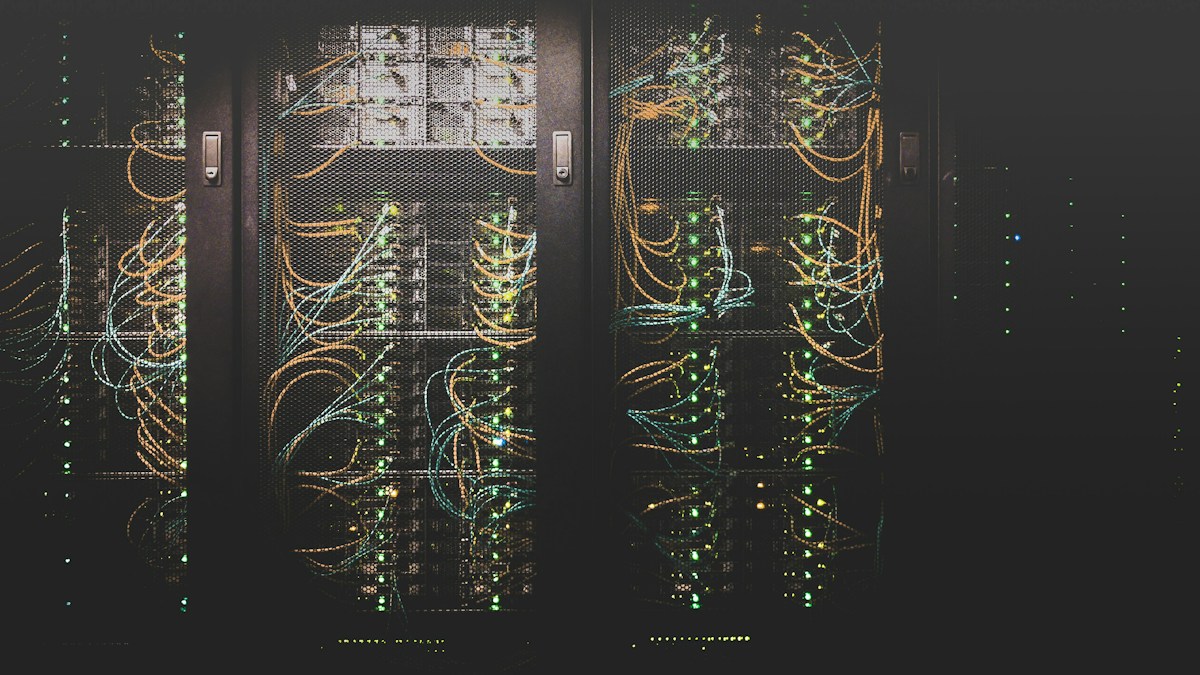
Many companies move to colocation so they do not have to manage the server room, cooling, and power themselves. The facility is usually stricter about physical access and redundancy. But the data on the servers still belongs to you, so logical and operational security still needs to be maintained.
Colocation does not mean “hand everything over and forget.” You still have to decide who can access it, how backups are done, and what happens if there is an incident.
Access control and separation of responsibility
Make sure only people who really need it have access to the rack or remote hands. Request logs every time someone enters the server room. On the digital side, use strong authentication and limit admin rights. Do not let one account be shared by many people.
If you need stable infrastructure for the business, colocation and connectivity services at Platinum can be a practical choice. The facilities are designed with clear access controls so you can focus on application and data configuration.
Backups and recovery that are actually tested
A backup that has never been tested is the same as no backup. Schedule periodic restores to a test environment to make sure the data can be read back. Store a copy in a different location if possible, or use DRC services if available.
Many companies use Platinum data center and hosting services so they can focus on the core business, not server and physical security matters.
Monitoring and incident response
Install simple monitoring for CPU, disk, and network usage. If there is a strange spike, check immediately. Also prepare a short procedure for who to contact if there is a disruption. The faster the response, the smaller the impact.
With these small habits, colocation becomes safer without having to become a security expert first. Consistency matters more than being perfect on day one.