If your business starts needing stronger servers, the first thought is usually to build your own server room. But the cost of electricity, cooling, security, and maintenance can rise quickly. Colocation offers another way.
What You Pay for in Colocation
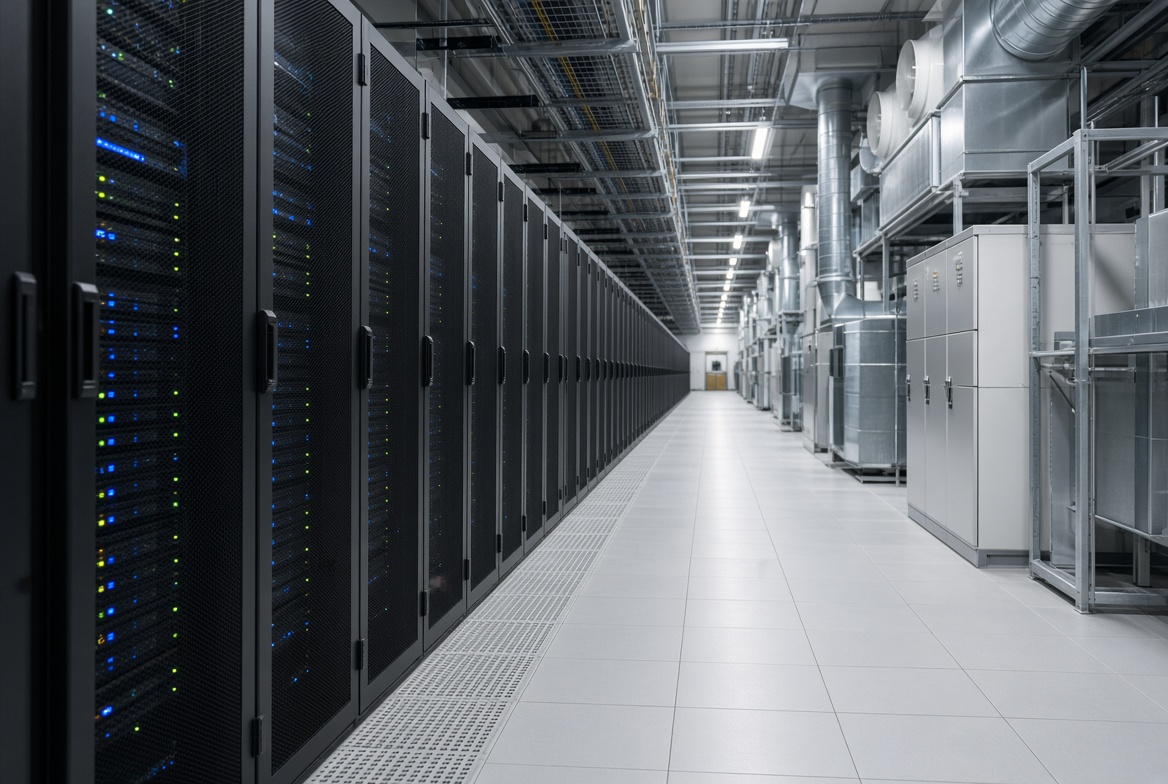
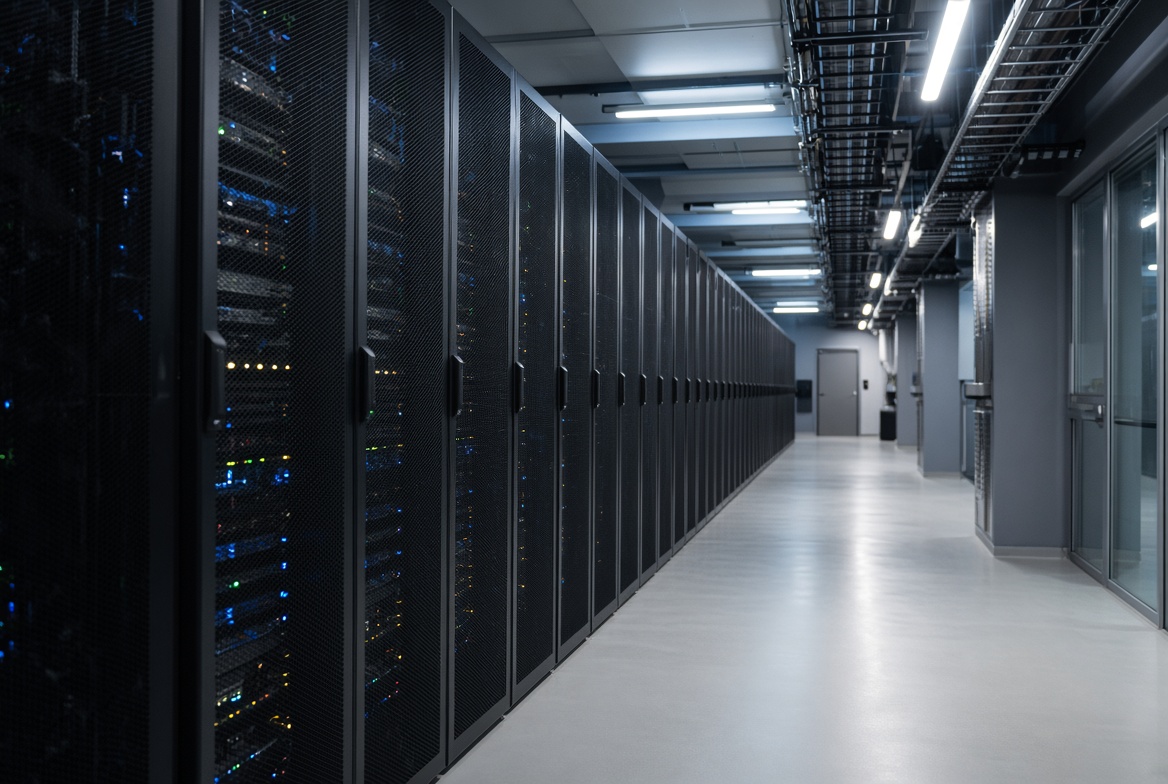
You rent space in a data center that already has redundant power, proper cooling, and physical security. The servers remain yours, but the environment is managed by the provider. Costs are usually based on space and power used, so they are easier to predict.
There is no need for a large upfront investment in UPS, generators, or precision air conditioning. Those are already included in the facility.
When Colocation Makes More Sense
If servers in the office often overheat, power is frequently problematic, or you are worried about physical security, colocation can be a solution. Fast-growing businesses also find it easier to add racks without renovating rooms.
Many companies use Platinum’s data center and hosting services so they can focus on the core business instead of servers and cooling.
Things to Check
Look at the data center location. The closer it is to the office or customers, the better the latency usually is. Also check the SLA for uptime and technical support. Make sure there is a backup option or remote hands if you need help on site.
Compare the total cost with building your own, including long-term electricity and maintenance. Often colocation is more economical once everything is calculated.
Start with the Right Scale
There is no need to rent many racks at once. Start with what is needed now. You can add more as requirements grow. Server migration can be done gradually so operations are not disrupted.
Colocation makes infrastructure feel lighter. The business can focus on products and customers, while power, cooling, and security are handled by people who specialize in that field.