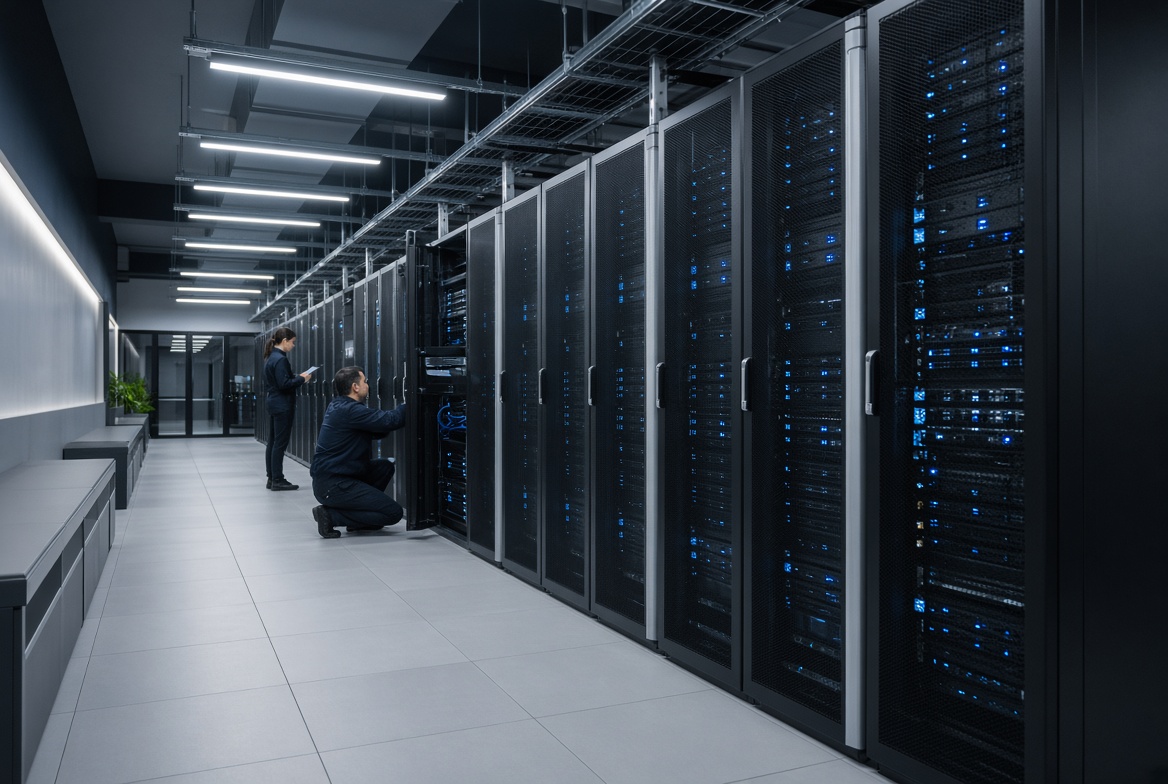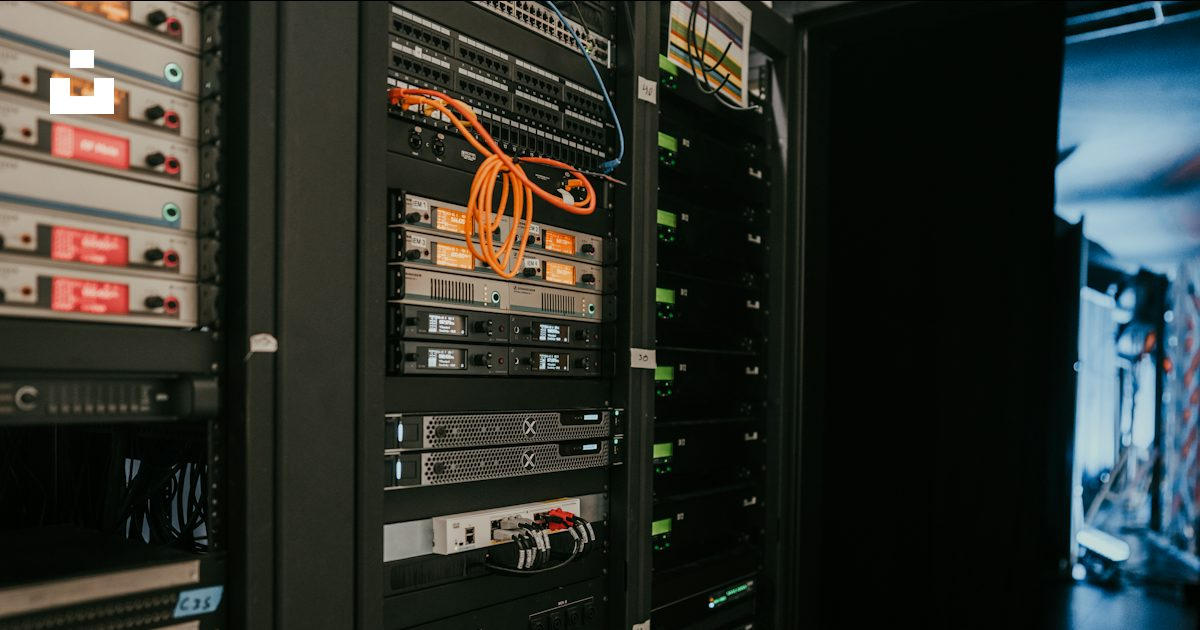

Many people focus only on the AI model. Behind it, there is infrastructure that must support it. If power is unstable, cooling is insufficient, or the connection keeps dropping, model training can stop or inference becomes slow.
AI, especially those using many GPUs, needs more power and generates higher heat. Ordinary servers are sometimes not enough. Facilities designed for high loads are more comfortable to run over the long term.
What Often Becomes a Problem
If servers overheat, performance drops or they shut down. If power fluctuates, a long process can fail in the middle. An unstable connection makes data hard to move in or out, especially when transferring large datasets.
Teams just starting often do not expect how quickly power needs rise. What used to fit in one rack suddenly needs more. Facilities already prepared for high density are usually easier for handling that growth.
Infrastructure That Helps
A data center with good power and cooling redundancy reduces the risk of disruption. Connectivity close to internet exchanges helps data move faster. Clear monitoring also makes it easier to know if there is a problem before it grows large.
If you need stable infrastructure for your business, including for AI workloads or cloud applications, colocation and connectivity services at Platinum can be a practical choice. Many companies use ready facilities so they can focus on developing models, not on generators and temperature.
Start with the Practical
First check how much power your AI hardware needs. Ask the facility about supported density and cooling headroom. If you do not need the highest yet, start with what fits, then upgrade later.
The important thing is not to let infrastructure become the bottleneck. A good model still needs a stable place to run well.