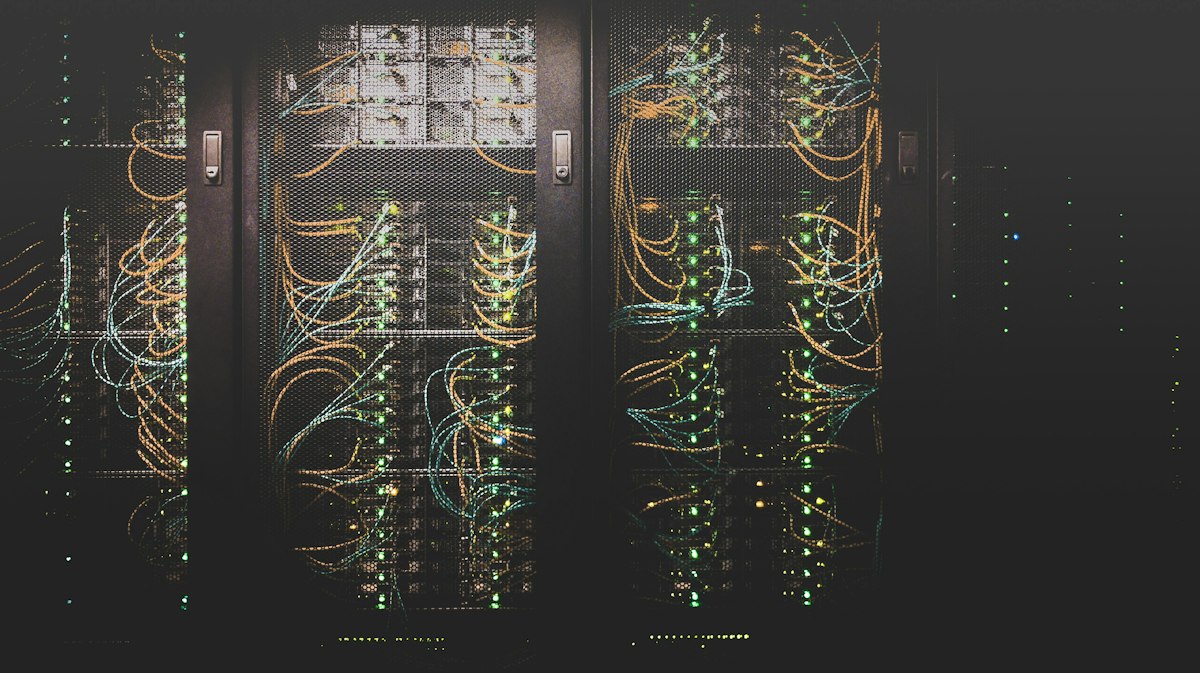

In the past, many companies felt they had to own their own servers in the office. Now more and more are switching to colocation. The reason is simple: managing a server room, cooling, backup power, and physical security actually requires quite a bit of cost and attention.
Colocation means you place your own servers in a data center facility owned by a provider. You still own the hardware, but the building, power, cooling, and physical security are handled by the facility. As a result, the internal team can focus more on applications and data, not on generators or air conditioning.
What Changes in Daily Operations
With servers in the office, you have to make sure the room stays cool, the power does not go out, and no unauthorized people enter. If there is a problem at night, someone has to come. In colocation, the facility is already designed to run 24 hours with redundancy. Your team only needs to come when there is work on the server itself.
If you need stable infrastructure for the business, colocation and connectivity services at Platinum can be a practical choice. Many companies use Platinum’s data center and hosting services so they can focus on the core business, not server matters.
Costs That Are Easier to Predict
Building your own server room requires a large initial investment for power, cooling, and security. Monthly operating costs can also fluctuate depending on electricity usage and maintenance. In colocation, you pay a fixed fee per rack or per unit, so it is easier to budget. If needs increase, you can add racks without renovating the room.
In addition, colocation facilities usually already have better connectivity to internet exchanges. Latency to other services becomes lower, which is felt in applications that communicate a lot with external parties.
Things to Consider
Make sure the facility has a resilience level that matches your business needs. Ask about the promised uptime, access procedures, and the process if you need to replace hardware. Also pay attention to location. A facility that is close to the office or easy to reach will make physical work on the servers easier.
Conclusion
Colocation does not mean you lose control of the servers. You still own the hardware and the data. What changes is the place and the responsibility for the physical infrastructure. For many businesses, this shift makes operations lighter and more stable. If you are reviewing whether you still need to keep servers in the office, compare the total cost and time spent with the colocation option. Often the result is more reasonable than expected.