Many teams immediately blame the application or the code when a server feels slow. Sometimes the real issue sits lower: power, cooling, or physical capacity in the data center.
When a rack is full, temperatures rise, or power is close to the limit, application performance drops with it. What you see on the surface is only “the server is slow,” while the root is infrastructure.
Signs the problem is not the app
Common signals include:
- Servers running hot with fans at full speed
- Performance that only degrades at certain hours (often linked to cooling or power load)
- Sudden restarts or throttling under higher load
- Several servers in the same rack affected at once
If you see this pattern, it is worth checking the physical and capacity side, not only optimizing code.
Why data center infrastructure matters
Applications need stable power, controlled temperature, and enough space. When any of those are tight, you feel higher latency, slower response times, or short outages.
Good colocation usually takes care of this layer: power monitoring, cooling, and rack space so you do not have to manage every physical detail yourself.
What can help
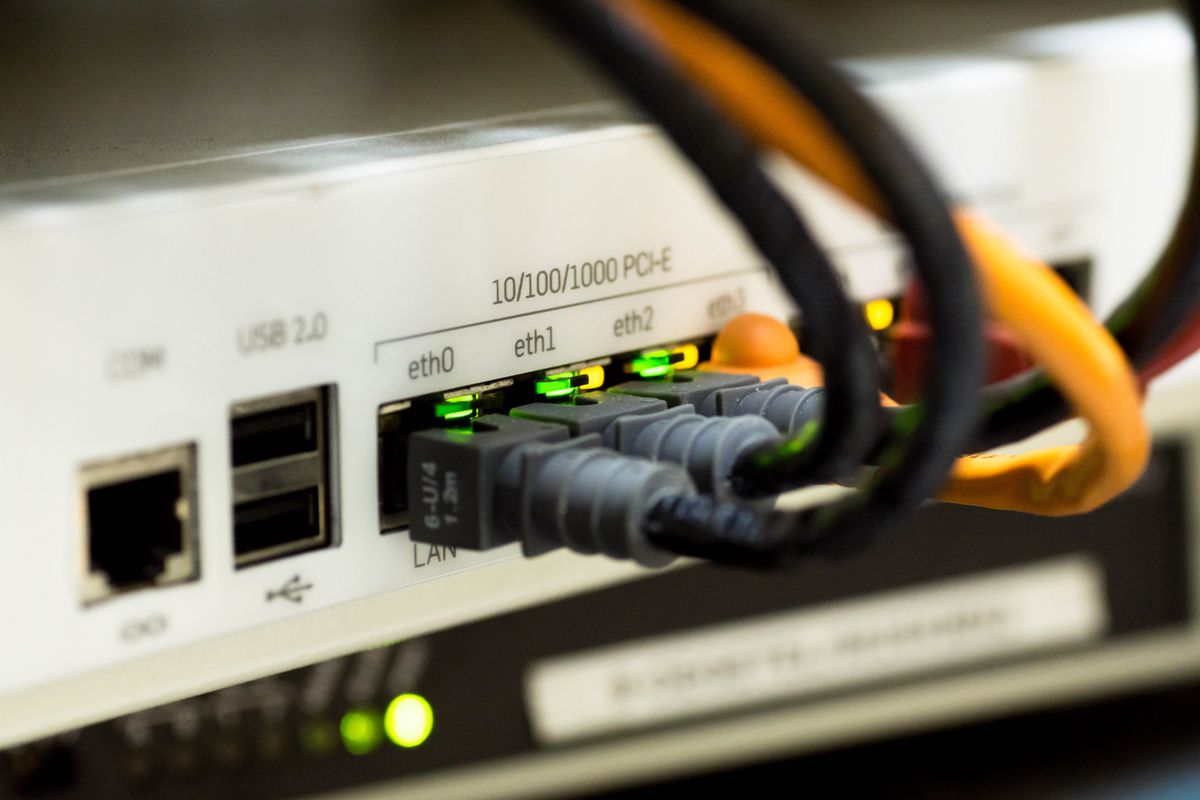
If you are evaluating where to place servers, colocation and infrastructure services at Platinum are designed so power, cooling, and connectivity stay more manageable. That lets the team focus on the application and the business instead of rack temperature or messy cabling.
The simple takeaway: before blaming the app, make sure the foundation behind it can still carry the load. Fixes at the infrastructure layer often show results faster than months of code optimization.